
Epoxy Flooring vs Tiles Which Is Better for Your Home
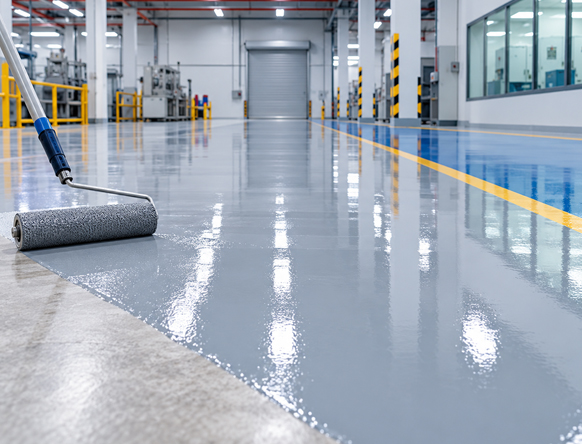
Choosing the right flooring is an important decision when designing or renovating your home. Flooring affects the overall appearance, durability, maintenance, and comfort of your living space. Among the many flooring options available, epoxy flooring and traditional tiles are popular choices for modern homes. But which one is better for your home? Understanding their features, benefits, costs, and differences can help you make the right decision.
What Is Epoxy Flooring?
Epoxy flooring is a seamless floor coating created by combining epoxy resin and a hardener. When applied to a properly prepared surface, it forms a strong, smooth, and durable protective layer. It is available in various colours, patterns, and finishes, including metallic, glossy, matte, and decorative designs.
Epoxy flooring is suitable for living rooms, kitchens, garages, offices, and commercial spaces. Its modern appearance and seamless finish make it an attractive option for homeowners looking for stylish flooring solutions.
What Are Traditional Floor Tiles?
Floor tiles are commonly used flooring materials made from ceramic, porcelain, vitrified materials, or natural stone. They are available in different sizes, colours, textures, and patterns to match various interior styles.
Tiles are popular because of their durability, design variety, and availability. They can be installed in living rooms, bedrooms, kitchens, bathrooms, and outdoor areas. However, tile flooring contains joints and grout lines that may require regular cleaning and maintenance.
Epoxy Flooring vs Tiles – Key Differences
Both flooring options offer unique advantages. However, they differ in appearance, installation, maintenance, and performance.
A. Appearance and Design
Epoxy flooring provides a smooth, seamless appearance with modern decorative possibilities. Metallic epoxy and customised colour combinations can create unique floor designs that enhance contemporary interiors.
Tiles offer a wide range of traditional and modern designs, including marble-look, wooden-look, stone-look, and patterned finishes. They are suitable for homeowners who prefer a classic or textured flooring appearance.
B. Durability and Strength
Epoxy flooring creates a strong surface that can withstand regular foot traffic, making it suitable for residential and commercial applications. Its durability depends on the coating quality, surface preparation, and installation method.
Tiles are also durable and can last for many years when properly installed. However, certain tile materials may crack or chip if heavy objects fall on them or if the underlying surface is not properly prepared.
C. Cleaning and Maintenance
One of the major advantages of epoxy flooring is its seamless surface, which makes cleaning easier. Dust, dirt, and spills can generally be removed using a mop and suitable cleaning solutions.
Tile flooring also allows easy cleaning, but dirt and moisture can collect in grout lines. Regular grout cleaning may be necessary to maintain its original appearance.
D. Water and Stain Resistance
Properly installed epoxy flooring provides a non-porous surface that resists many common spills and stains. It is particularly useful in areas where easy cleaning is important. However, slip resistance depends on the selected finish and additives.
Porcelain and vitrified tiles generally offer good water resistance, while ceramic tiles and grout may need additional attention depending on their type and installation.
E. Installation and Cost
Epoxy flooring requires proper surface preparation, application, and curing time. The total cost depends on the floor condition, epoxy type, design, and project size.
Tile installation involves surface preparation, tile placement, adhesive, grouting, and finishing. Costs vary depending on the tile material, size, design, and labour charges.
Advantages of Epoxy Flooring Over Tiles
Epoxy flooring offers several benefits for homeowners looking for modern and functional interiors:
- Seamless and smooth surface without grout lines.
- Wide range of colours and decorative finishes.
- Easy cleaning and everyday maintenance.
- Good resistance to many common stains and spills.
- Customisable designs for modern living spaces.
- Can be applied over suitable existing concrete or prepared surfaces.
When Should You Choose Tile Flooring?
Tiles may be a better choice for certain residential applications. They are available in different textures and finishes, including options designed for wet areas and outdoor spaces.
Choose tiles if you prefer:
- Traditional or natural stone-inspired designs.
- Textured and anti-slip surface options.
- Individual tile replacement when a section gets damaged.
- A wide variety of materials, sizes, and price ranges.
- Flooring suitable for specific indoor and outdoor applications.
Which Is Better for Your Home – Epoxy Flooring or Tiles?
The best flooring choice depends on your budget, interior design preferences, room usage, and maintenance expectations.
Epoxy flooring is an excellent option for homeowners who prefer modern interiors, seamless finishes, customised designs, and easy cleaning. Tile flooring is suitable for those who want a wide selection of materials, traditional designs, and different surface textures.
Before choosing, consider the room’s purpose, moisture exposure, expected foot traffic, installation requirements, and long-term maintenance costs.
Transform Your Home with the Right Flooring Solution – FineArt Planters
Choosing the right flooring can enhance the beauty and functionality of your home. At FineArt Planters, we focus on creating attractive and practical spaces with suitable epoxy flooring solutions. Whether you prefer a modern decorative finish or a clean, elegant floor design, selecting the right flooring system can make a noticeable difference.
Explore epoxy flooring solutions from FineArt Planters and choose a flooring style that complements your home interiors.


Leave a Reply
Want to join the discussion?Feel free to contribute!